
Herbs
Tukham e Autangan | تخم اوٹنگن
Tukham e Autangan | تخم اوٹنگن
Regular price
Rs.175.00 PKR
Regular price
Sale price
Rs.175.00 PKR
Quantity
Couldn't load pickup availability
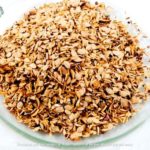
Tukham e Autangan at sknatural are seeds of Blepharis edulis. It belongs to family “Acanthaceae”. Generally people use its seeds, leaves, root. It is Warm and dry in first order, warm and dry in third order. The seeds color is blue or bluish. Their taste is unpleasant and bland.
Its capsules contain two seeds, these have heart-shape, smooth, shining, and brownish in color.
Other names:
Arabic Name(s): Anjirah, Bazar-al-Qareez Urdu Name(s): Utangan k Beej, Anjrah, Bazar-al-Qareez, Balba Jawar, Asad English Name(s): BlepharisProperties:
Seeds are attenuant, resolvent, diuretic, expectorant, deobstruent and aphrodisiac.Recommended dosage:
3 to 6 g.Medicinal uses:
Generally the plant, known as balba jawar, possesses seeds similar to flax and serves as fodder for sheep and camels. Additionally, people utilize tukham e autangan medicinally for treating sore eyes, particularly in Baluchistan. These seeds, considered aphrodisiac, play a role in electuaries and powders prescribed for conditions like premature ejaculation and also spermatorrhea, with the aim of increasing the viscosity of semen. They are also valued for their effectiveness in treating dry and productive coughs and general respiratory issues, aiding in clearing excess phlegm from the lungs and thorax. Moreover, the herb earns a reputation as a remedy for earaches.In folk medicine, this herb finds application in treating asthma, cough, fever, and inflammation of the throat. Additionally, people locally apply it to facilitate the healing of festering wounds and ulcers. Furthermore, it serves as both an appetizer and an astringent to the bowels. Identified as Uchchata, an aphrodisiac drug in Ayurvedic medicine, it holds a significant place in traditional practices. The leaves, commonly available in the Indian market, are reported to be useful in treating wounds, ulcers, nasal hemorrhages, asthma, throat inflammation, and as a purgative for disorders of the liver and spleen. Moreover, people consider the root diuretic and beneficial in managing urinary discharges and dysmenorrhea.