
Herbs
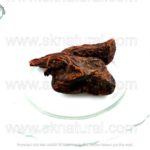
Jund Bedastar | 20gm | جندبدستر
Jund Bedastar | 20gm | جندبدستر
Regular price
Rs.5,000.00 PKR
Regular price
Sale price
Rs.5,000.00 PKR
Quantity
Couldn't load pickup availability
Jund bedastar , castoreum or castor fiber is a hard substance found under the foreskin of the penis on beaver-ricin fiber. There are two on each animal and they resemble two testicles. They have a strong and unpleasant animal odor that worsens with age; and give their properties to reformed spirits.
Generally, people have used jund bedastar glandular long in medicine as an antispasmodic and emmenagogue. They appear to have rather diffuse stimulant and relaxant properties; and they have been much praiforsed for painful menses, sudden suppressed menses, hysteria, and various nervous affections. Moreover, it is is useful in asthma, gout , hysteria, muscular tremor, weakness of heart, dysmenorrhoea, headache, infantile epilepsy, rheumatism, epilepsy, hypotension, lassitude, sciatica.
Other names:
Arabic Name Jundabaadustur, Jund Beedastar, Khusyat al-bahr, Faahisha English Name : Castoreum French Name : castorum German Name : Bibergeil Gujarati Name : Zanda Bidastara Hindi Name : Jund Latin name : Castoreum Persian Name : Gundbeedastar Sanskrit Name : Gendha Urdu Name : Jund, Jund BedastarComposition:
Beaver castoreum consists of at least 24 known compounds. Among these, several exhibit pheromonal activity. The phenols 4-ethylphenol and catechol, as well as the ketones acetophenone and 3-hydroxyacetophenone, demonstrate the strongest activity. Additionally, five other compounds elicit a weaker response, including 4-methylcatechol, 4-methoxyacetophenone, 5-methoxysalicylic acid, salicylaldehyde, and 3-hydroxybenzoic acid. Oxygen-containing monoterpenes such as 6-methyl-l-heptanol, 4,6-dimethyl-l-heptanol, isopinocamphone, pinocamphone, and two linalool oxides and their acetates are also present. Furthermore, compounds like benzoic acid, benzyl alcohol, borneol, o-cresol, 4-(4'-hydroxyphenyl)-2-butanone, hydroquinone, and phenol are found in beaver castoreum, all of which are sourced from plant food. Additionally, it contains nupharamine alkaloids, castoramine, and cis-cyclohexane-1,2-diol.Uses:
In perfumery, castoreum refers to the resinoid extract obtained from dried beaver castor, which perfumers then tincture in alcohol. Perfumers typically age the dried beaver castor sacs for two or more years to enhance their mellowing. The fragrance industry primarily values castoreum for its note reminiscent of leather. Therefore, perfumers often combine it with other ingredients, including top, middle, and base notes, in perfume formulations. FDA and FEMA approved Castoreum extract as a GRAS substance for direct addition to food as a flavoring agent.